

Vision
Mission
Purpose
Creating sustainable livelihoods through crafts
To ensure that artisans can continue living through their craft by bridging traditional knowledge with contemporary relevance.
To ensure artisans can sustain dignified livelihoods while keeping traditional crafts alive and relevant.
Who are we
EkiBeki is a not for profit organization dedicated to preserving, sustaining, and growing the dying crafts of India. We aim to revive the arts and crafts of India, help generate sustainable livelihoods for artisans, and help the artisans grow the community craft clusters without migrating to bigger cities.
Why EkiBeki?
Our indigenous crafts give us a glimpse of the glorious past, to the time when art and the artisan were much revered. Today, when a global movement is emerging towards supporting indigenous arts & crafts, we are proud to see “Made in India” gain a renewed meaning through the revival of traditional arts & crafts.

Breaking the demand-supply vicious cycle
Ekibeki focuses on Indian crafts – which are at a unique crossroad today
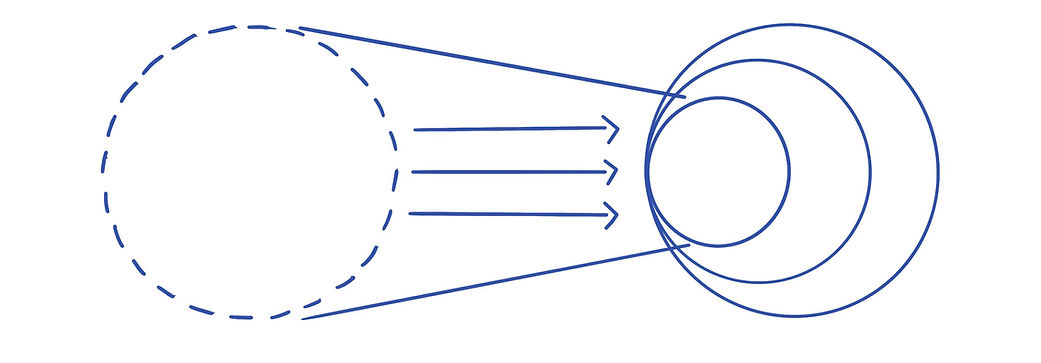
Reputation of handcrafted
The customer amplification
Low Awareness
Craft storytelling
Hands-on workshops
Market linkages
Hard to Differentiate
Expectations of being overpriced
Contemporary designs and relevance
Appreciation of slow moving processes
Pride in ownership of the stories
Limited choices
Poor workmanship
Irregularities of quality
Digital literacy of artisans
Upskilling designs
Improved Product Access
Lack of Functionality
-
3000 crafts, 7 million skilled artisans
-
$680 billion global economy, India exports less than 2%
-
Most crafts endangered as artisans seek other sources of income
Factors leading to low demand:
-
Availability is limited and not contemporary
-
Premium pricing compared to mass market manufacture
-
60-70% “handicrafts” are actually machine made
-
Lack of transparency that resources reaching the actual artisan
* Unofficial data estimates the number of skilled and semi skilled artisans to be 200 million since many artisans are engaged in it on a part-time basis. This largely includes women (56%) and people from economically weaker sections of society.
How EkiBeki creates an impact

Controls migration
Creates skill based sources of livelihood at home- so that artisan is not forced to migrate to overburdened cities as unskilled labourers
Women empowerment
Empowers women and improves social and gender equity, justice and dignity of rural and semi-urban inhabitants
Upskilling
Exposure to new design language, processes, digital literacy, contemporising the use of traditions
Revenue to producers
Support for sales through direct customer interface, exhibitions and projects, royalties
Low carbon footprint
Livelihood generation
Impact on Urban India
Making the richness of India’s craft traditions more available, visible and relevant to urban spaces
Encourages higher demand with better finish, modern aesthetics, increased relevance
Higher involvement with storytelling as human library concepts, higher availability via exhibitions to public installations
Bridging the tradition and modern divide, giving the artisans a better understanding of urban counterparts, designs and requirements
Higher involvement and appreciation for slow processes, allowing artisans to be seen, heard and appreciated on a larger scale


eki [lang. marathi, \EY-ki\]: odd / unique / oneness / unity
beki [lang. marathi, \BEY-ki\]: even / common / duality / diversity
EkiBeki. The Yin and Yang in Chinese philosophy. Inyo in Japanese culture. The philosophy as old as time means the oneness of interests, sentiments, and pursuits among different groups or entities
What we do
Using handicrafts as a tool for social change


Have you heard of Chitrakathi art or crafts like copper enameling? What about abstract art like Jackson Pollock, Renaissance art, Expressionism, etc.? A lot of us are likely to have heard of at least one of the latter as opposed to the former.
The traditional crafts and skills handed down the generations are in danger of dying out, as the skilled artisans migrate to anonymity and the indignity of the poor migrant to the cities.
EkiBeki empowers artisans by blending traditional crafts with modern design and technology to keep their skills relevant and respected.
Some of our achievements
-
Return of the new generation back to their roots, to support the revitalised livelihood
-
Use of skills and methods into areas of urban visibility
-
Increase reach into more homes using modern technology and royalty payments for the original art


